
Blog posts tagged "Snap"

Snaps are a way to package your software so it is easy to install on Linux. If you’re a snap developer already or you’re a part of the Linux community, and you care about how software is deployed, and you’re well versed in how software is packaged, and are tuned into the discussions around packaging
The year is 1989. I bought a computer game called F-16: Combat Pilot, a flight simulator featuring free-flight, five types of single-player missions, a full campaign mode, serial-port multiplayer, and then some. Gloriously wrapped in four colors and magnetized on two single-density 5.25-inch floppy disks. Total size: 680 KB. Nowadays, it

Welcome to part two of our TurtleBot3 set up, namely the turtlebot3c project. In part one, we rearranged the launch files and configuration files of the TurtleBot3 so that we have four entry points to our robot’s functionalities. One per application in our snap. Now it is time to build the snap so that it

If you are a regular reader of our blog, you already know that our team got its hands on some TurtleBot3 robots. In previous posts, we have seen how to build them better, and how to improve the robot’s security with Ubuntu. In this post we will see how to build a snap to get

Depending on the audience, the discussion of software packaging elicits very different responses. Users generally don’t care how software is packaged, so long as it works. Developers typically want software packaging as a task to not burden them and just magically happen. Snaps aren’t magic, but aim to achieve both ease of maintenance and

Over the past several months, we have shared with you several articles and tutorials showing how to accelerate application development so that a typically demanding, time-consuming process becomes an easier, faster and more fun one. Today, we’d like to introduce some additional tips and tricks. Namely, we want to talk about elegant ways y

Canonical and AWS are excited to announce the public release of AWS IoT Greengrass as a snap. AWS IoT Greengrass is software that brings local compute, messaging, data caching, sync, and ML inference capabilities to your IoT device. IoT and embedded developers can now easily install and get started with IoT Greengrass in seconds on

At Canonical, helping customers overcome their challenges is what we do every day. In the IoT world, a common challenge we encounter is customers who are interested in transitioning to Ubuntu Core and the snapcraft.io ecosystem, but are unsure how to begin. This post covers the recommended approach. In most cases, it’s relatively easy for

Ubuntu Core (UC) is Canonical’s take in the IoT space. There are pre-built images for officially supported devices, like Raspberry Pi or Intel NUCs, but for other boards, when there is no community port, one needs to create one on their own. This is the the case if one wants to run Ubuntu Core 18

Software developers often have enough to worry about. Their focus is creating the best application they can, often without having to consider packaging. We recently discovered Akira, which illustrates this well. The small team of developers are hard at work on the application, so software packaging isn’t a high priority at the moment. Aki

Canonical has released MicroK8s – a fast and efficient upstream Kubernetes delivered as a single snap package that installs on 42 flavours of Linux. With a small disk and memory footprint, MicroK8s provides an efficient way to deploy Kubernetes in seconds, whether on the desktop, the server, an edge cloud, or IoT device. MicroK8s is avail
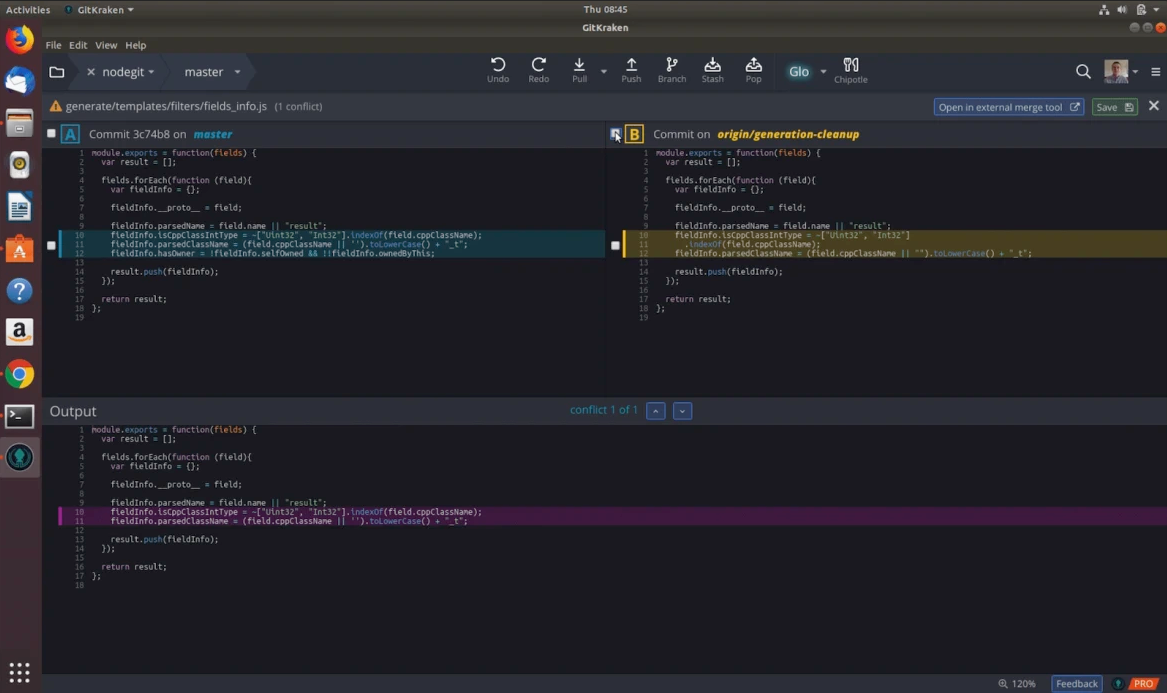
Used by the likes of Netflix, Tesla and Apple, GitKraken is the go-to home for developers who are looking for a more user-friendly interface for Git with integrations for GitHub, GitLab, Bitbucket and VSTS (Azure DevOps). Established a couple of years ago, GitKraken offers a Git Client for Windows, Mac and Linux, and Glo Boards

Used in more than 240 countries, by governments, enterprises, and consumers alike, Ubuntu Desktop is the number one Linux operating system (OS) in the world. Ubuntu Desktop is used by leading technology companies in no small part down to the popularity amongst software developers for which it is an attractive platform for a diverse range
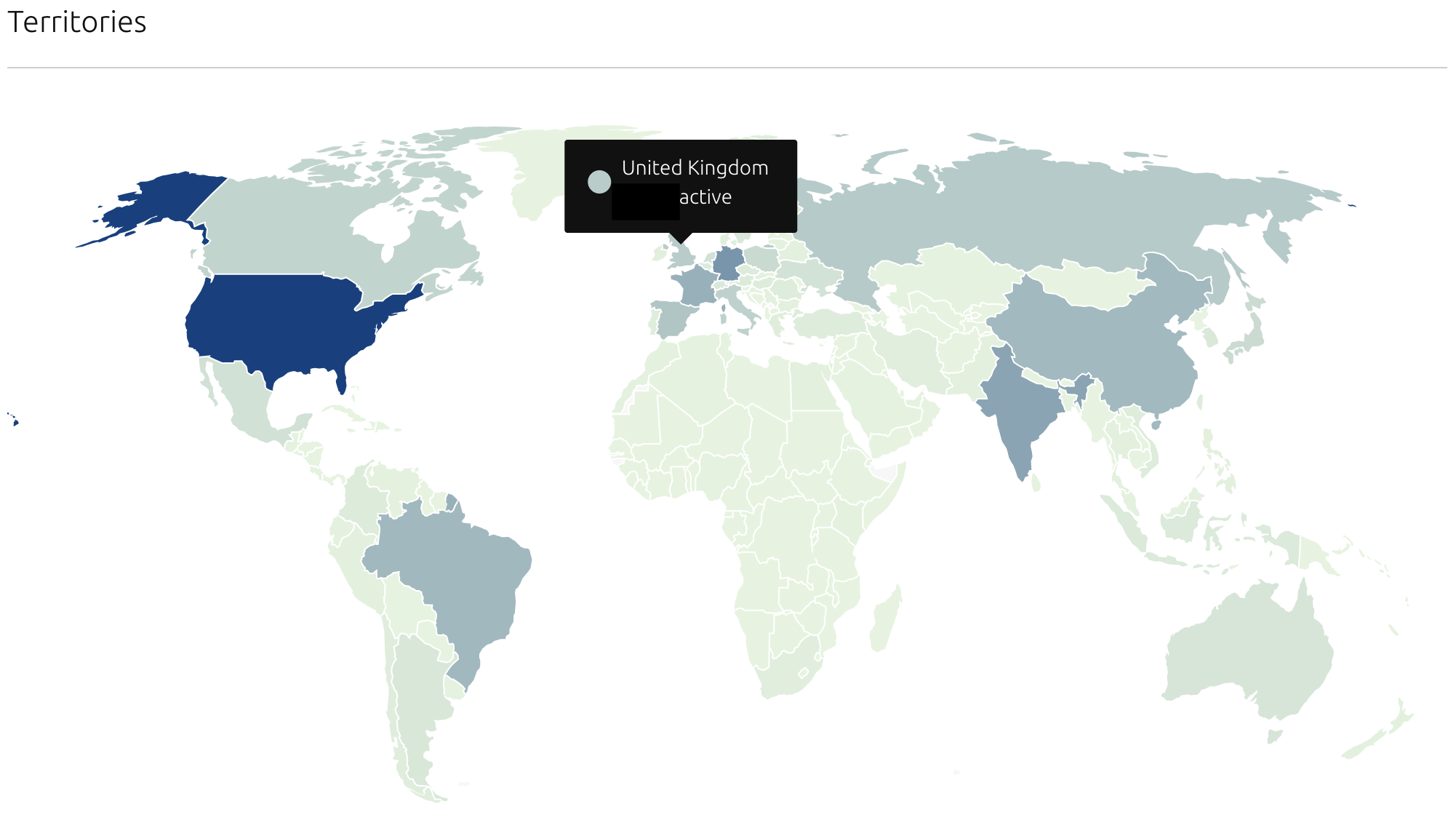
The Snap Store is able to provide insightful information to Independent Software Vendors (ISVs) about usage of their snap applications. Our goal is to help snap publishers interact better with their users and make the most of their relationship. The primary metric provided by the store is the active installed-base. We will show how this
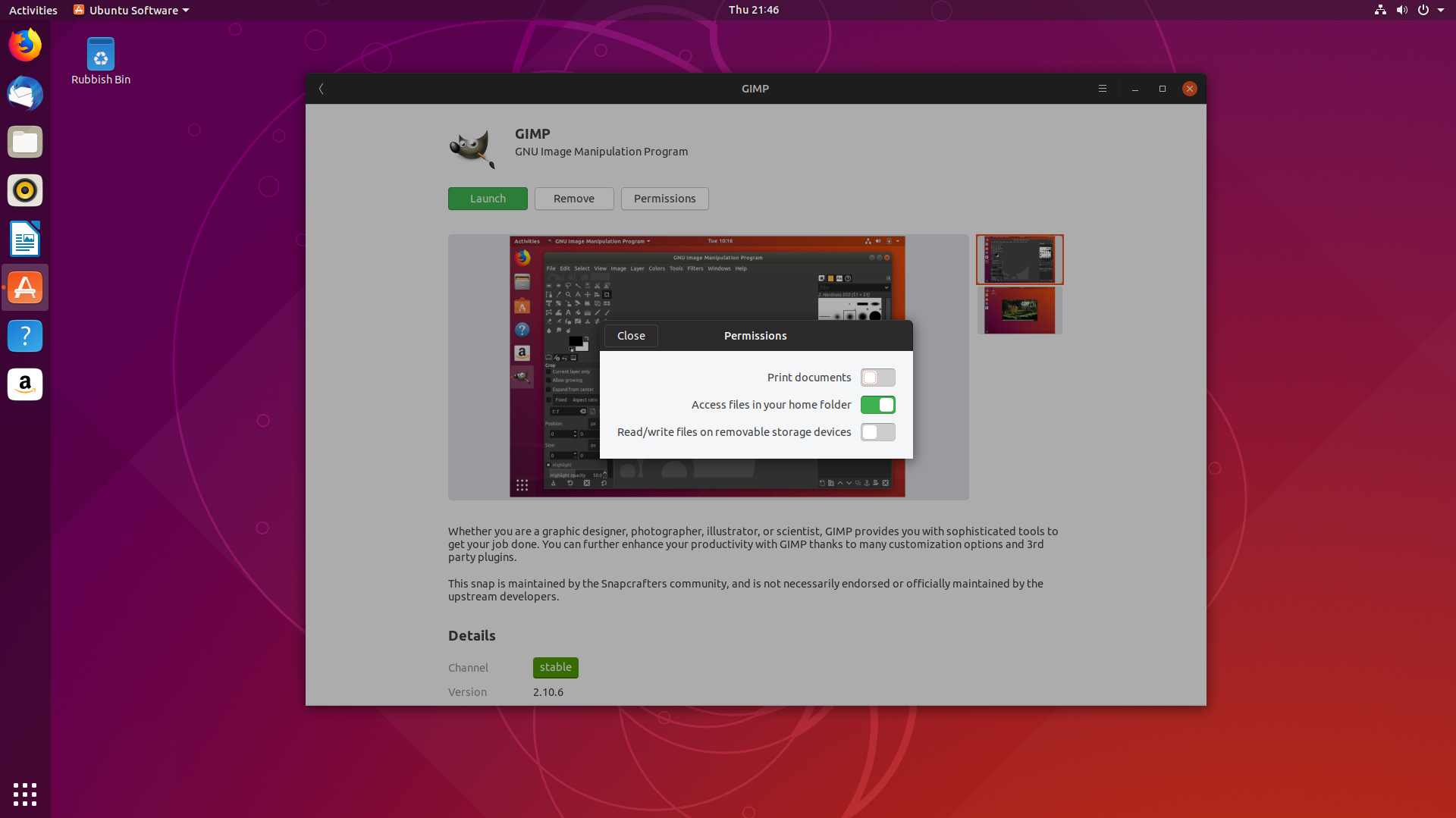
Snap is a Linux application package management system which allow developers to easily publish self contained software packages (snaps) that work across many distributions and versions of Linux. Snaps have security at their heart, and are designed to ensure all applications support the principle of least privilege / authority. That is, ea

Coinciding with the release of Ubuntu 18.10 today, we have celebrated the exceptional adoption of snaps by sharing the infographic below. From popular snaps to daily installs, this infographic demonstrates where, when and why users are installing and adopting the secure, Linux application format. For more commentary around these numbers,